
Official Trezor™ Suite®® — Desktop & Web App for Hardware …
Trezor Suite brings your crypto accounts together with tools for portfolio monitoring, asset management, transactions, and wallet organization.
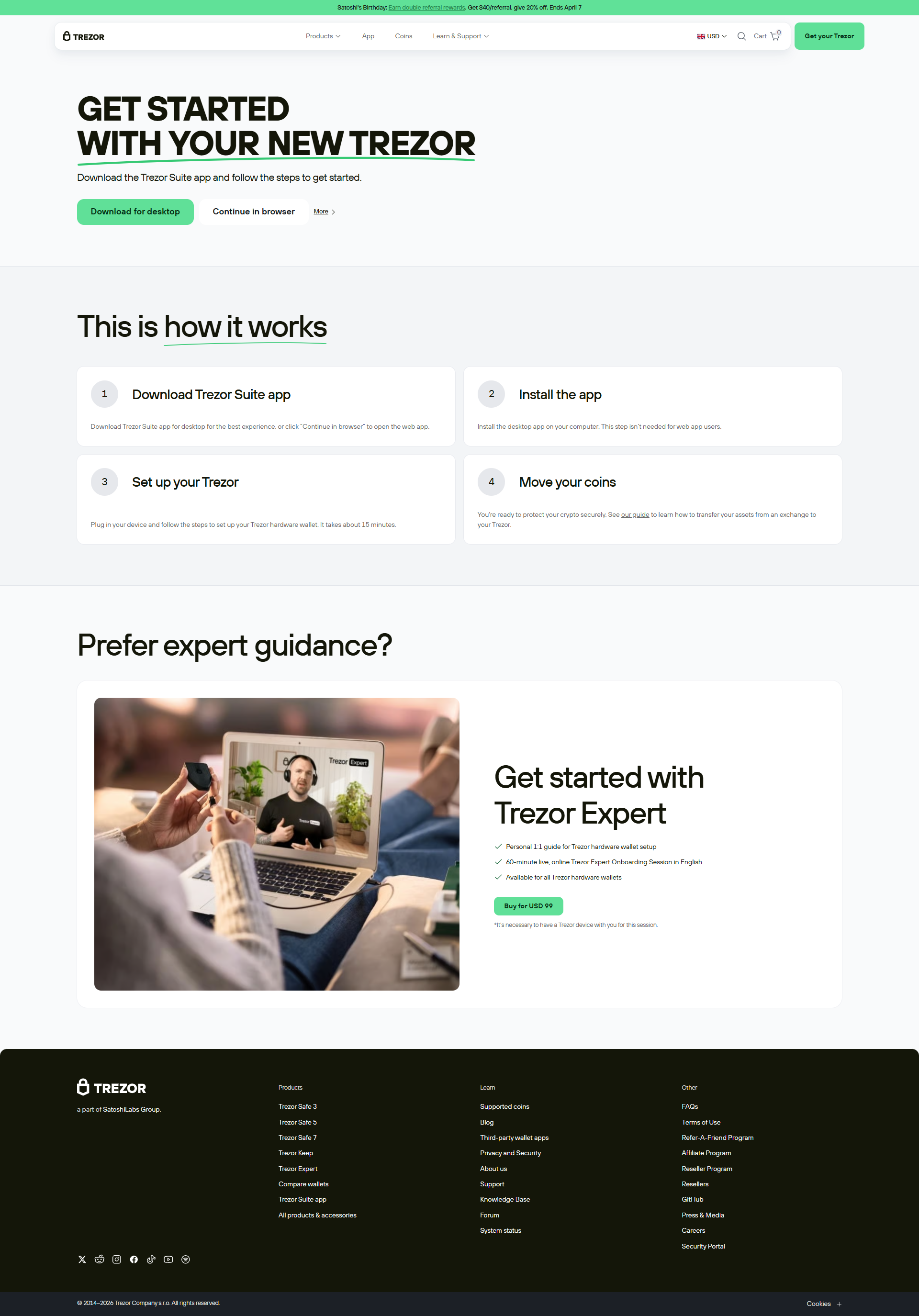
Trezor Suite: Getting Started With Your Hardware Wallet
A hardware wallet provides a physical layer for managing crypto, while companion software gives users a convenient way to interact with their accounts. Trezor Suite is designed to work with Trezor hardware wallets and provides tools for managing supported digital assets.
Whether you are new to hardware wallets or simply learning the software, a few basic practices can make your experience easier and safer.
Verify the Download Source
The first step should always be checking where the software comes from. Crypto users should avoid unofficial downloads because malicious applications can imitate legitimate wallet software.
Use trusted Trezor resources and independently navigate to the official website rather than relying on unexpected links in emails, messages, or social media posts.
Pair Your Hardware Wallet
After installing the appropriate application, connect your Trezor device and follow the setup instructions. The software can communicate with the hardware wallet while sensitive actions can require confirmation on the physical device.
Read each prompt carefully. If the information shown on the device differs from what you intended, do not approve the operation.
Understand Your Accounts
After connecting the wallet, explore the available account information. Depending on the supported asset, users may be able to view balances, review transactions, receive funds, and prepare transfers.
Before sending or receiving cryptocurrency, make sure you understand which account and asset you are using. Different networks and assets can have different requirements.
Review Every Transaction
Transaction verification should become a normal part of your workflow.
Before approving a transfer, check the destination address and amount along with other relevant information. Compare the details shown in the software with those displayed on your Trezor hardware wallet.
If something appears unexpected, pause the transaction rather than approving it immediately.
Keep Your Recovery Backup Private
Recovery information is one of the most sensitive parts of a crypto wallet. Store it securely and keep it away from unauthorized people.
Never type recovery information into a website simply because a pop-up or message asks you to. Do not send it to supposed support agents either.
If you lose access to your device, recovery procedures should be followed through trusted official documentation.
Watch for Phishing Attempts
Scammers may create fake support pages or contact users with urgent claims about their wallets. Common requests may involve asking users to verify their identity, restore an account, or provide private recovery information.
Treat unexpected requests carefully. Instead of clicking the supplied link, visit the official Trezor website directly.
Frequently Asked Questions
What can I use Trezor Suite for?
It provides an interface for managing supported crypto accounts and interacting with a connected Trezor hardware wallet.
Does the hardware wallet still matter when using the software?
Yes. The physical device is used for important confirmations and is an essential part of the hardware-wallet workflow.
What should I check before sending cryptocurrency?
Review the asset, account, destination address, amount, and other transaction details before confirming the operation.
Should I give my recovery information to support?
No. Keep sensitive recovery information private and never disclose it to unsolicited contacts.
How can beginners avoid fake Trezor software?
Download software only through trusted official Trezor resources and avoid unfamiliar third-party download links.
Updated about 7 hours ago